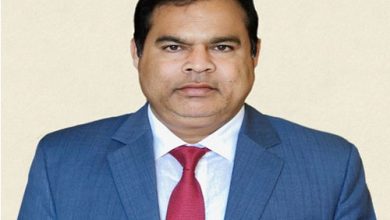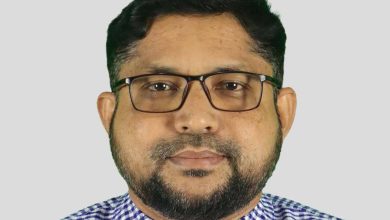

We committed to inclusive sustainable development, Says G. M. Firoz Ahmed, Executive Director, MASUK

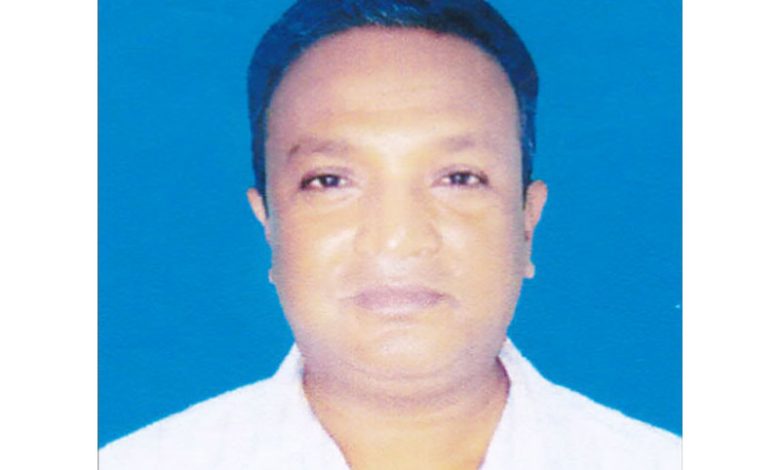

Holiday Post: Manab Sampad Unnayan Kendra (MASUK) has been working for the socio-economic development of coastal and marginalized communities since its establishment in 1988. Through a wide range of initiatives including microfinance, livelihood development, women’s empowerment, education, health awareness, and skills development, we have contributed significantly improving the living standards of local people. Over the years, we have witnessed how the NGO sector has become an indispensable development partner of the Government of Bangladesh. Says, G. M. Firoz Ahmed, executive director of Manab Sampad Unnayan Kendra.
The current regulatory framework has undoubtedly strengthened transparency, accountability, and financial discipline within the NGO sector. These are positive developments that have enhanced the credibility of the sector. However, based on our field-level experience, we believe there is still room to review certain policy provisions to make them more practical and supportive.
In particular, microfinance institutions (MFIs) make substantial contributions to financial inclusion and socio-economic development, comparable to those of banks and other financial institutions. Nevertheless, they do not enjoy the same level of financial incentives, refinancing facilities, or investment opportunities available to banks. As a result, providing affordable financial services to low-income and marginalized communities becomes increasingly challenging.
Another important concern is the regulatory requirement to maintain Fixed Deposit Receipts (FDRs) against members’ savings balances and reserve funds. While this policy is designed to protect depositors and safeguard financial stability, it also leaves a considerable amount of institutional funds idle for extended periods. I believe there is scope for a balanced policy review. Allowing is the portion of these funds to be invested in productive, well-regulated lending and development activities without compromising depositor security would enable MFIs to extend financial services to a larger number of small entrepreneurs, farmers, women entrepreneurs, and livestock producers.
My expectation is that the Government, regulatory authorities, NGO representatives, and other stakeholders will continue to engage in constructive dialogue to create a policy environment that both protects depositors and enables development organizations to utilize their resources more effectively. Such reforms would strengthen the long-term sustainability of the NGO sector while enhancing its contribution to inclusive national development.
Holiday Post: What are the most pressing challenges that microfinance institutions (MFIs) in Bangladesh currently face in achieving their goals?
M. Firoz Ahmed: Microfinance Institutions (MFIs) in Bangladesh have played a pivotal role in promoting financial inclusion, generating employment, and reducing poverty among low-income and marginalized communities. The sector is currently confronted with five significant challenges that are affecting its ability to achieve its objectives effectively.
First, climate change and natural disasters pose one of the most serious threats. In the country’s coastal regions, cyclones, storm surges, river erosion, increasing salinity, and erratic weather patterns repeatedly disrupt the livelihoods of small entrepreneurs, farmers, fishers, and livestock producers. As a result, many borrowers experience declining incomes and diminished repayment capacity, which directly affects the sustainability of microfinance operations.
Second, Rising inflation and economic pressures have substantially increased the cost of living. A large proportion of borrowers are struggling to meet their daily household expenses rather than investing in productive enterprises or expanding their businesses. Consequently, opportunities for income-generating investments have become increasingly limited.
Third, political instability and disruptions to law and order often hinder field-level operations. Political unrest, strikes, blockades, and prolonged periods of uncertainty disrupt business activities, transportation, and local markets. These conditions adversely affect small entrepreneurs, reduce business productivity, and create challenges for loan recovery and new investment initiatives.
Fourth, regulatory and financial constraints continue to limit the operational flexibility of MFIs. While compliance with regulatory requirements is essential to protect depositors and ensure financial discipline, certain provisions restrict the efficient utilization of institutional funds. At the same time, rising funding costs have made it increasingly difficult to provide affordable financial services to low-income clients.
Fifth, the growing incidence of multiple borrowing has become another concern. In many areas, clients obtain loans from several institutions simultaneously, increasing the risk of over-indebtedness and loan default. This not only threatens borrowers’ financial stability but also undermines the long-term sustainability of the microfinance sector.
In addition, MFIs are facing challenges related to rapid technological change, the retention of skilled human resources, cyber security risks, and engaging younger generations in productive entrepreneurship. These emerging issues require continuous institutional adaptation and investment.
In my view, addressing these challenges will require stronger collaboration among the Government, regulatory authorities, Microfinance Institutions, and development partners. Special refinancing facilities for climate-vulnerable regions, post-disaster recovery financing, and supportive policies for small entrepreneurs would significantly strengthen the resilience and effectiveness of the microfinance sector. With appropriate policy support and coordinated action, MFIs will be better positioned to continue their vital contribution to inclusive economic growth and sustainable development in Bangladesh.
Holiday Post: How are you incorporating sustainability and responsible lending practices into your organization’s core mission and how do you measure the impact of these efforts
M. Firoz Ahmed: We firmly believe that the purpose of microfinance extends far beyond loan disbursement. Our primary objective is to promote sustainable improvements in people’s livelihoods and overall quality of life. For this reason, sustainable development and responsible lending are embedded at the heart of our institutional mission and operational strategy.
Our responsible lending approach begins with a careful assessment of each client’s genuine financial needs, repayment capacity, and investment potential. Loans are approved only after evaluating the borrower’s ability to repay, ensuring that clients are not burdened with excessive debt. Beyond loan disbursement, we maintain regular follow-up, provide business advisory support, and closely monitor the progress of borrowers’ enterprises. Our goal is not merely to recover loans but to strengthen the long-term financial resilience and economic capacity of our clients.
As part of our commitment to sustainable development, we prioritize financing for women entrepreneurs, small-scale agriculture, livestock, fisheries, microenterprises, and climate-resilient livelihood initiatives. Given the vulnerability of Bangladesh’s coastal communities to climate change, we actively encourage environmentally sustainable and income-generating activities that can provide stable livelihoods over the long term. In addition to financial services, we integrate health awareness, education, skills development, and community empowerment programmes into our development interventions, recognizing that lasting progress requires a holistic approach.
To assess the effectiveness of these initiatives, we monitor a range of social and economic performance indicators, including like, Growth in borrowers’ income and household assets; Employment generation and business expansion;
Increased participation of women in household and financial decision-making, Improve school enrolment and educational attainment of borrowers’ children; Growth in household savings,
loan repayment performance and financial stability and the ability of clients to sustain their livelihoods despite climate-related and economic shocks.
Furthermore, we conduct regular field monitoring, collect feedback from members, evaluate socio-economic changes, and undertake periodic Impact Assessments to measure the long-term outcomes of our programs. These evaluations enable us to assess not only our operational performance but also the broader social impact of our interventions.
In my view, the true success of a microfinance institution should not be measured by the volume of loans it disburses, but by the positive and lasting transformation it brings to people’s lives, livelihoods, and socio-economic well-being. This philosophy lies at the core of MASUK’s mission and continues to guide our commitment to inclusive and sustainable development.
Holiday Post: Looking ahead, what are the most important long-term strategies and priorities for ensuring the sustainability and continued success of the microfinance sector in Bangladesh?
M. Firoz Ahmed: Over the past four decades, Bangladesh’s microfinance sector has made remarkable contributions to poverty reduction, women’s empowerment, financial inclusion, and the development of small-scale entrepreneurship. However, in light of changing economic realities, increasing climate risks, rapid technological transformation, and growing market competition, the sector must adopt a number of long-term strategic priorities to ensure its sustainability and continued success.
First, the sector must evolve from being primarily loan-focused to becoming development-oriented. Microfinance should not be limited to providing credit alone. Greater emphasis should be placed on entrepreneurship development, skills training, market linkages, financial literacy, business advisory services, and the effective use of technology. Such an integrated approach will enable borrowers to achieve sustainable economic progress rather than simply gaining access to finance.
Second, building a climate-resilient financing system is essential. Bangladesh, particularly its coastal regions, remains one of the countries most vulnerable to climate change. Therefore, climate-smart financial products, post-disaster rehabilitation financing, and effective risk management mechanisms for agriculture, fisheries, livestock, and microenterprises should become key priorities.
Third, digital transformation should be accelerated across the microfinance sector. The adoption of digital financial services, modern management information systems, customer relationship management, and data-driven risk analysis can significantly improve operational efficiency, reduce costs, and enhance service quality. At the same time, digital inclusion must be accompanied by strong data protection and cyber security measures to safeguard clients’ interests.
Fourth, responsible lending and client protection should remain central to institutional practices. MFIs must discourage multiple borrowing, prevent the misuse of loans, and ensure that lending decisions are based on borrowers’ genuine financial needs and repayment capacity. Responsible finance is fundamental to both client welfare and institutional sustainability.
Fifth, expanding access to sustainable sources of finance is crucial. Many MFIs continue to rely on limited funding sources, making long-term growth challenging. Increased access to affordable refinancing facilities and regulated investment opportunities would strengthen the sector’s financial sustainability. In addition, I believe that certain policy disparities between banks and microfinance institutions should be reviewed to create a more balanced and equitable financial environment.
Another issue deserving policy attention is the requirement to maintain substantial amounts of institutional funds in Fixed Deposit Receipts (FDRs) against members’ savings and reserve funds. While this requirement plays an important role in protecting depositors, it also leaves significant financial resources idle. A more flexible, risk-based regulatory approach without compromising depositor security could enable these resources to be used more productively in supporting small entrepreneurs, farmers, women entrepreneurs, and other underserved communities.
Finally, stronger partnerships among the Government, regulatory authorities, MFIs, and development partners are essential. Policymaking should be informed by field-level experience, and greater investment should be made in strengthening the institutional capacity of local organizations. Such collaboration would help build a more resilient, inclusive, and sustainable microfinance sector.
In my view, the future success of Bangladesh’s microfinance sector should not be judged solely by the volume of loans disbursed, but by its ability to create sustainable employment, lift families out of poverty, strengthen resilience against climate and economic shocks, and improve people’s overall quality of life. Integrating social development, financial sustainability, and inclusive economic growth should therefore remain the sector’s highest long-term priority.
Holiday Post; Based on your experience and expertise, what advice would you offer to other leaders in the microfinance sector to help them navigate current challenges and achieve their missions
M. Firoz Ahmed: Bangladesh’s microfinance sector has now reached a stage where success depends not only on loan disbursement but also on institutional capacity, good governance, human resource development, and the ability to adapt an evolving socio-economic environment. Drawing on my experience as a development practitioner and institutional leader, I believe that overcoming today’s challenges requires a strategic, collaborative, and forward-looking approach. Like, we must recognize that the sector operates largely within the policy and regulatory framework established by the Microcredit Regulatory Authority (MRA) and the Palli Karma-Sahayak Foundation (PKSF). These institutions have played an important role in promoting transparency, accountability, and financial discipline within the microfinance sector. However, there is still a need for greater reflection of field-level realities in policy formulation.
* Developing skilled human resources should be the highest priority. The greatest asset of any organization is its people. In today’s rapidly changing environment, continuous professional development is essential in areas such as microfinance management, digital technologies, risk management, client protection, climate adaptation, and enterprise development. At the same time, training should not be limited to staff members alone. Borrowers should also receive financial literacy, business management, and life skills training so that they can utilize credit more effectively and build sustainable livelihoods. Investing in human capital ultimately strengthens both the institution and its clients.
* institutional success should be measured by quality rather than quantity. While loan portfolios and membership growth are important indicators, they should not be the sole measures of success. The real achievements of a microfinance institution lie in increasing clients’ incomes, creating employment opportunities, and enabling sustainable economic progress.
* Climate resilience must be integrated into institutional planning and operations. Organizations working in coastal and disaster-prone areas should prioritize risk-informed planning, climate-resilient livelihood programmes, and post-disaster recovery support to help vulnerable communities withstand future shocks and I believe that greater collaboration and knowledge-sharing among leaders within the microfinance sector are essential. The challenges we face are not unique to individual organizations—they affect the sector as a whole. By sharing experiences, promoting best practices, investing in human resource development, and engaging in constructive policy dialogue, the sector will be better positioned to achieve its long-term objectives.
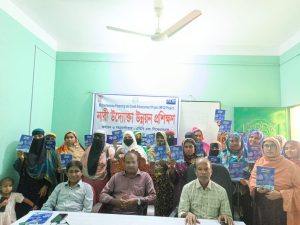
Holiday Post: Could you briefly share some key moments or experiences in your career that have significantly shaped your perspective on the role and potential of your all sector?
M. Firoz Ahmed: Throughout my professional career, I have experienced many meaningful moments that have influenced my outlook. However, the most profound lessons have come from witnessing the real-life transformation of people at the grassroots level. Seeing a marginal farmer, a small business owner, or a woman entrepreneur improve their family’s financial condition through access to microfinance and appropriate support, provide better educational opportunities for their children, and live with greater dignity has reinforced my belief that the true success of a development organization is measured not by financial indicators alone, but by the positive and lasting impact it creates in people’s lives.
Another defining experience has been my realization that the greatest strength of any organization lies in its human resources. I have seen organizations with limited financial resources achieve remarkable success because they had skilled, committed, and well-trained staff. Conversely, I have also witnessed institutions with adequate funding and opportunities struggle to achieve their objectives due to a shortage of competent personnel.
One of my greatest concerns today is the growing shortage of skilled and talented professionals in Bangladesh’s NGO sector. Many capable young professionals are choosing careers in other sectors because they offer more competitive salaries, greater job security, clearer career advancement opportunities, and better employment benefits. As a result, attracting, developing, and retaining qualified professionals has become one of the most significant challenges facing the NGO sector.
This experience has convinced me that the long-term sustainability and success of NGOs will depend largely on investment in human resource development. To build strong institutions, organizations must offer competitive compensation packages, continuous professional development, career progression opportunities, supportive working environments, and meaningful recognition of employee performance. Without attracting and retaining competent professionals, it will be increasingly difficult for the development sector to achieve its long-term goals.
The most important lesson I have learned throughout my career is that the future of an organization depends not primarily on its financial capital, but on the quality of its people. Sustainable development is ultimately driven by capable, committed, and motivated professionals. Therefore, investing in human capital should be regarded as the highest strategic priority. I firmly believe that with sound policies, an enabling work environment, and a highly skilled workforce, Bangladesh’s NGO sector will continue to play an even greater role in promoting inclusive socio-economic development and improving the lives of millions of people in the years to come, he concluded. Top of Form