
Nazim Uddin hopes MFIs should be maintain higher liquidity
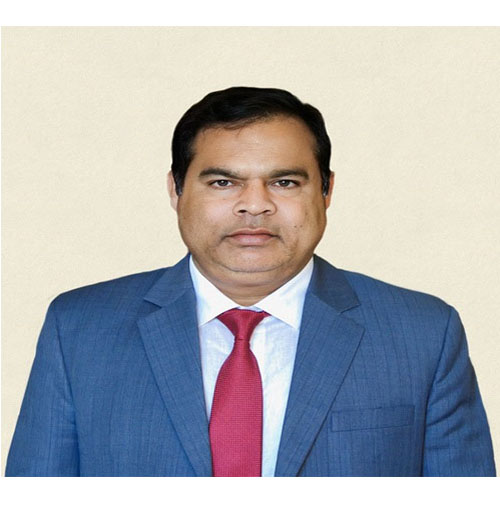 Holiday Post: Shataphool Bangladesh operates as a dynamic non-governmental organization and Microfinance Institution (MFI). Our primary operational focus centers on social upliftment, community development, financial inclusion, and sustainable livelihoods across various regions, including Rajshahi,Naogaon, Natore, and Chapai Nawabgonj. Professor Md. Nazim Uddin, Executive Director of Shataphool Bangladesh. Who working side-by-side with colleagues through relentless effort and intellect, brought the organization to its present stage and in an interview with Holiday Post regarding of the various NGOs activities.
About Policies Regulations, Microcredit Regulatory Authority (MRA) and policy frameworks set by the Government of Bangladesh are vital for maintaining sector stability and institutional credibility. like, MRA guidelines ensure proper governance, protection of client interests, and structured interest rate caps that prevent predatory lending practice and Enhanced MIS reporting frameworks help us fulfill compliance mandates seamlessly while ensuring long-term institutional sustainability. Uddin said,
Pressing challenges that microfinance institutions (MFIs) in Bangladesh currently face are Clients often take loans from multiple MFIs, leading to debt stress and default risks, Rising living costs strain low-income households' cash flows, impacting repayment capacity and requiring MFIs to maintain higher liquidity buffers, bridging traditional field-based microfinance with modern digital financial services (DFS) requires substantial investment in infrastructure, software security, staff training, and client digital literacy, Fund collection and management costs are increasing making operational efficiency critical to maintaining financial health under regulatory interest caps, and extreme weather events severely affect rural borrowers, agricultural borrowers, and vulnerable communities, creating sudden repayment shocks, he also said.
Shotophool Bangladesh is sustainability and responsible lending practices into through the under mission are Utilizing centralized MIS systems to cross-verify client profiles, evaluate debt-capacity limits, and prevent overlapping/multiple borrowing, Enforcing transparent loan terms, clear interest rate explanations, and zero-tolerance policies toward aggressive recovery practices, Pairing financial products with skill development, agricultural advisory, and micro-enterprise support, Tracking Portfolio at Risk (PAR), repayment trends, operational self-sufficiency (OSS), and client retention rates and Proper monitoring household income growth, asset creation, female empowerment indicators, and improvement in access to education and health services among beneficiary families, Nazim Uddin Point out.
He also point out, we are following that important long-term strategies and priorities for ensuring of Migrating from manual or semi-automated systems to robust cloud-managed MIS frameworks to ensure real-time reporting, automated audits, and data protection, moving beyond standard micro-loans to tailored products like micro-insurance, green financing (solar energy, eco-friendly farming), housing loans, and youth entrepreneurship funding, Collaborating with Mobile Financial Services (MFS), national payment gateways, and agent banking platforms to reduce cash-handling costs and streamline disburse/collection cycles, and Creating specialized disaster-recovery and adaptive financial products to protect vulnerable rural borrowers against natural disasters.
About experience and expertise for current challenges to microfinance sector he added, manual tracking increases risk and slows scaling. Automation, automated branch budgeting, and secure database management are essential for modern operational efficiency, As financial services digitize, safeguarding borrower data and maintaining system integrity must remain a core operational priority, Keep Client Protection at the Center: Long-term sustainability rests on client success. Ensure financial products solve borrowers' economic problems rather than overburdening them with debt, and empower branch leadership with structured budgeting tools, clear reporting protocols, and real-time oversight to handle regional market fluctuations effectively.
Shotophool Bangladesh is thinking that our leading initiatives to build and manage structured software systems, branch-wise budget management frameworks, and centralized MIS platforms revealed how technology directly enhances grassroots development. Automating manual tasks allows field officers to spend less time on paperwork as a result more time serving borrowers effectively, and seeing small micro-loans transform rural households enabling families to invest in micro-enterprises, secure better education for their children, and improve their living conditions reaffirmed that microfinance is a powerful engine for poverty alleviation when executed with transparency, proper planning, and integrity. He concluded,
At last he said, shataphool Bangladesh to build empowered, self-reliant, enlightened, and developed human beings out of the underprivileged poor.
Copyright © 2026 Holiday Post. All rights reserved.
 প্রিন্ট করুন
 সেভ করুন