
How Micro RGB is redefining television picture quality
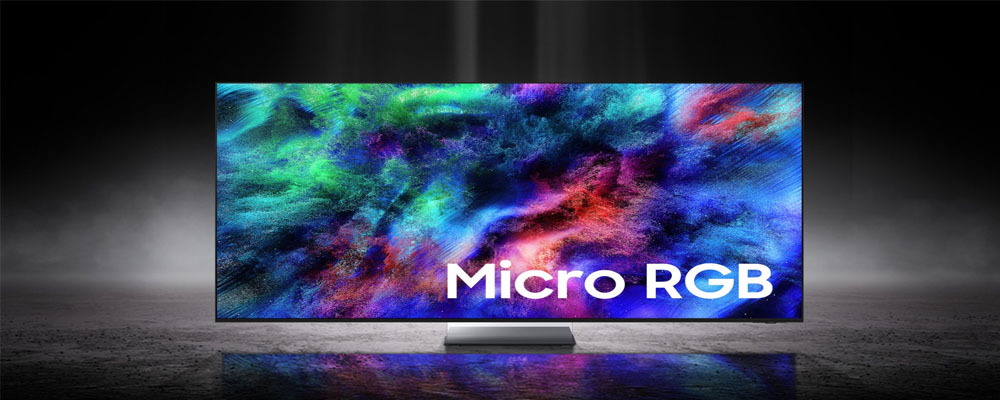 Staff Reporter: Imagine watching a nature documentary on TV and being able to tell all the different shades of green apart, or watching a film and being able to see all the tiny details of a dimly lit room. These things can make a shot feel more real; it also changes how you understand a scene. Many people associate picture quality with screen resolution, particularly 4K and 8K. But the truth is, how a TV produces colors and controls lights play an equally important role in what we see on the screen.
As TV technology gets better, manufacturers keep trying out new ways to make images look more natural, to give viewers a more lifelike experience. Micro RGB is one such development that produces vivid colors and manages brightness with greater precision.
How Micro RGB changes the viewing experience:
While traditional LED TVs generally use a blue LED black light and additional layers to generate different colors on the screen, micro RGB takes a difference approach. It uses separate red, green and blue LEDs without any filters which makes it easier to control the color and brightness levels, and as a result, there are more lifelike colors and fine details in every scene.
On Micro RGB TVs, all the shades of the colors on the screen look much more realistic, the color transitions are smoother, and it’s easier to distinguish the different details in a single scene. The differences are especially evident while watching content that are full of rich colors, detailed landscapes, and where there are changes in light and shadows. Moreover, modern TVs are able to use the artificial intelligence for the content analysis to improve the picture quality by optimizing color, contrast and detail for a better viewing experience. Samsung’s Micro RGB TV, for instance, has Micro RGB AI Engine Pro and 4K AI Upscaling Pro technologies to optimize the picture quality. These along with Dolby Atmos create a more immersive audio-visual experience for the viewers.
Who benefits most?
Micro RGB TVs are best for people value a good picture quality and are willing to spend more on their home entertainment systems. Film buffs can enjoy their fine visuals and a richer color palette, while those who are interested in sporting events or games may be pleased by the fast motion images and colors that they see.
Traditional LED, Mini LED and OLED televisions are still good choices at different price points, but at the end of the day, it all depends on individual preferences and budget.
Overall, Micro RGB stands out as a new approach in developing television technologies: moving beyond resolution alone to improve how colors, light, and detail come together.
Copyright © 2026 Holiday Post. All rights reserved.
 প্রিন্ট করুন
 সেভ করুন